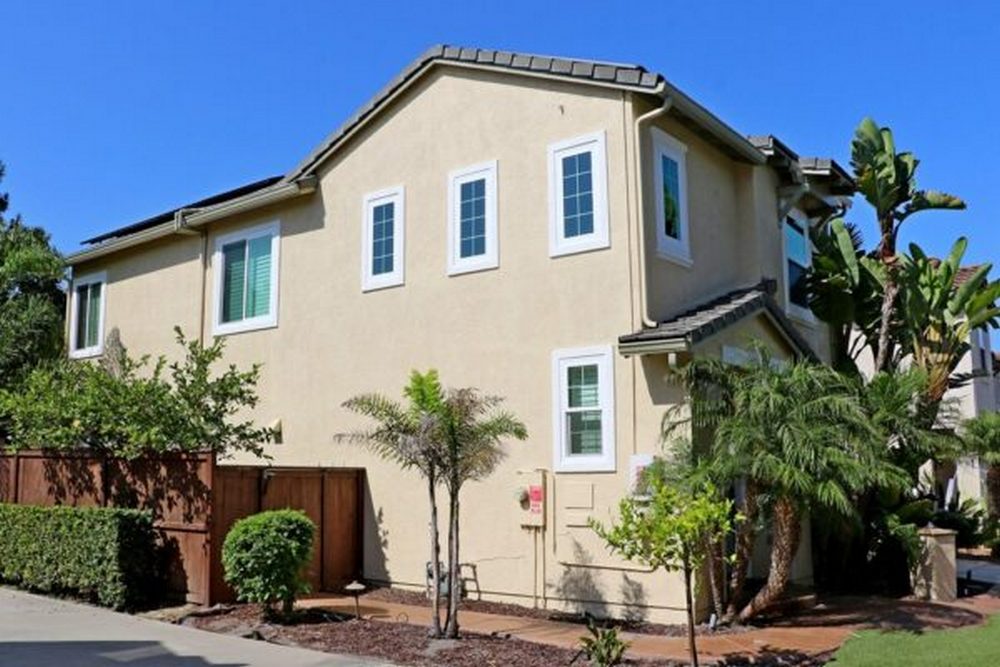
Stucco is a popular exterior finish for San Diego homes, but years of sun exposure, moisture, and normal building movement can affect its condition.
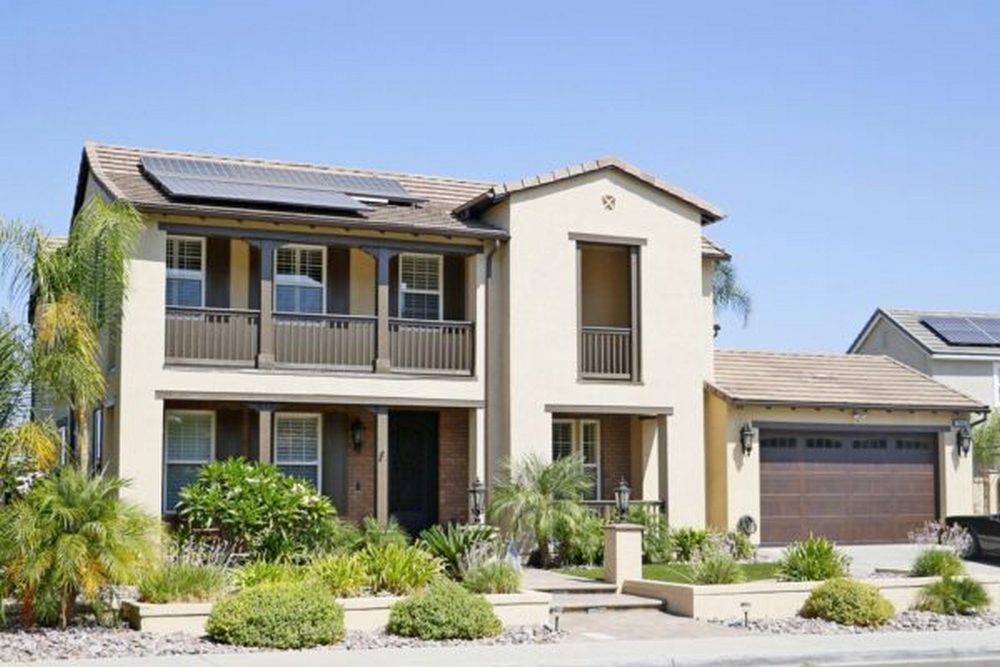
By discussing these concerns early, you can better understand the work involved and plan for an exterior finish that starts with a properly prepared surface.
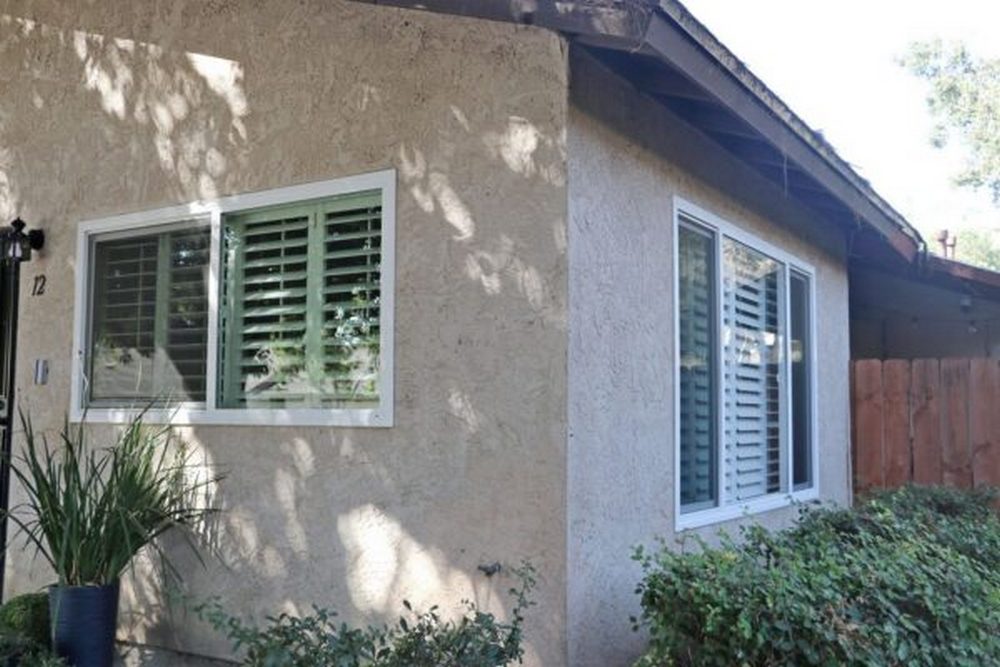
When you consider replacing the windows in your San Diego home, it is easy to focus on the frame color, glass style, and overall appearance.
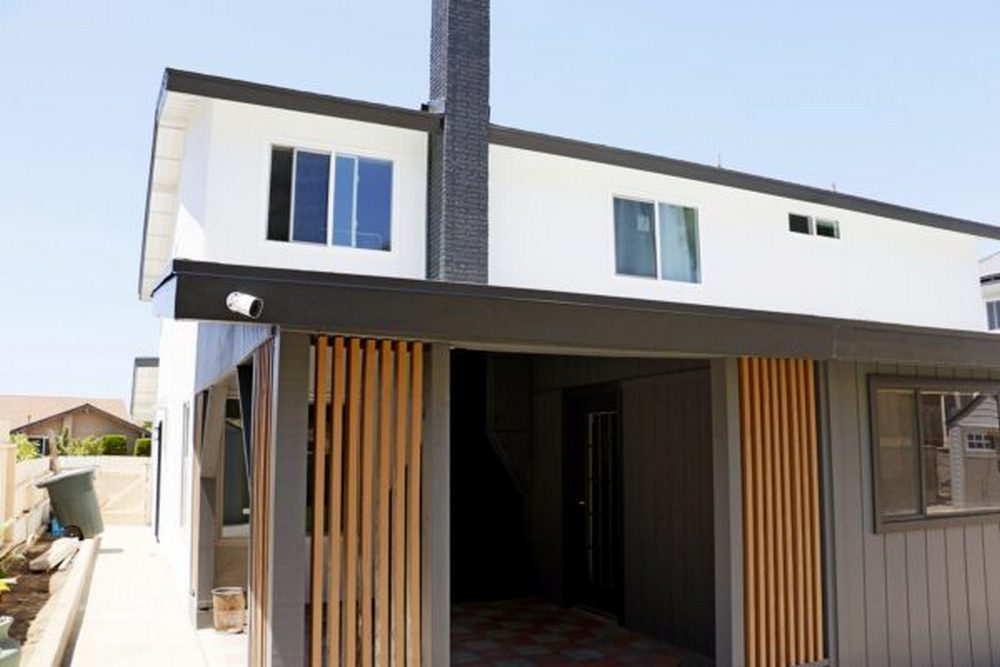
When you invest in an exterior coating for your San Diego home, you want the finished surface to look good and perform well for years.
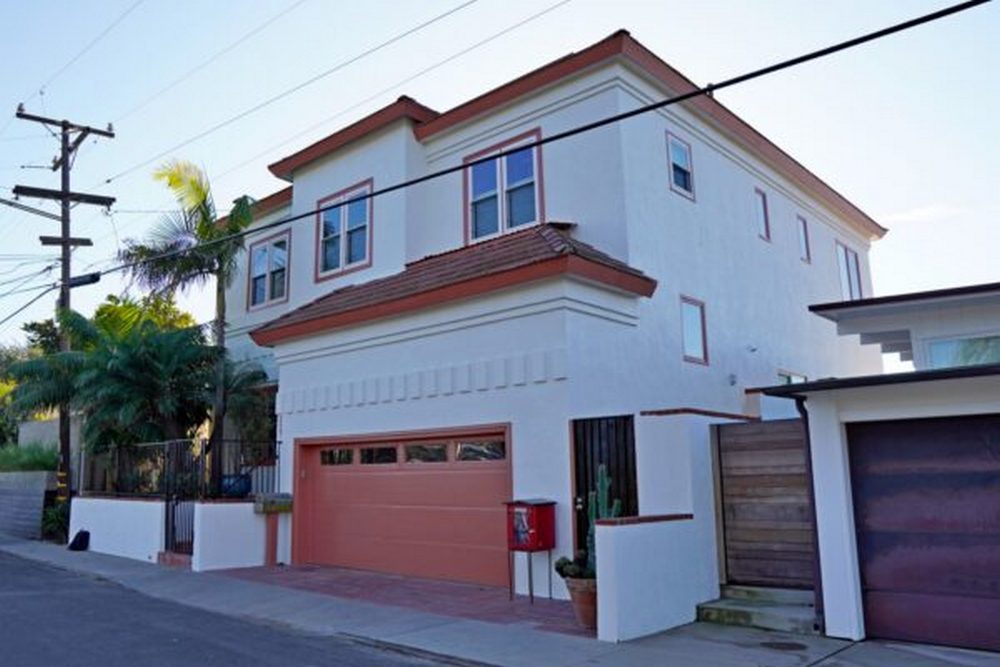
Planning these details helps you choose a finish that feels intentional rather than simply following a passing trend.
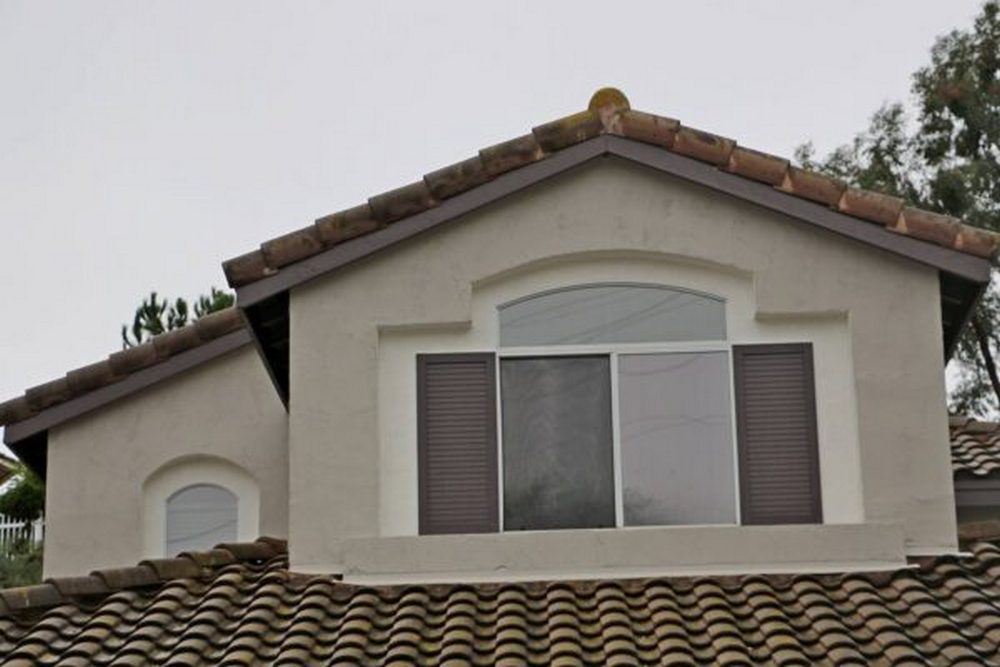
Before you choose a final color, consider your stucco's condition, the overall look you want, and how the new color will work with your home's permanent features.
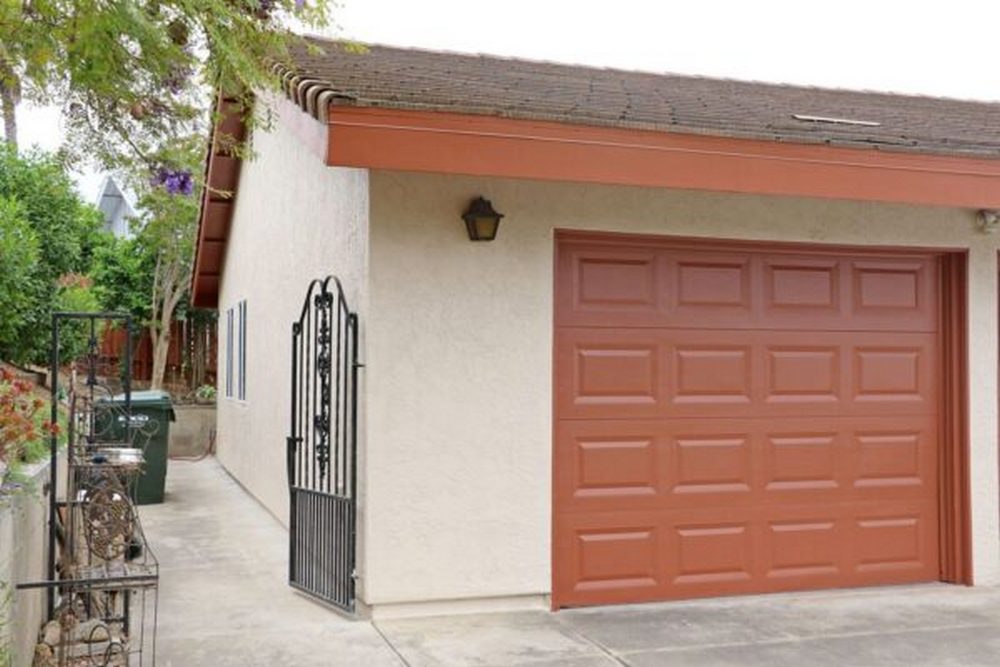
Instead of treating the project as simply adding a new color, you can start by understanding what your exterior actually needs.

If your San Diego home has older stucco, you may notice faded color, visible cracks, stains, or an exterior that simply looks dated.
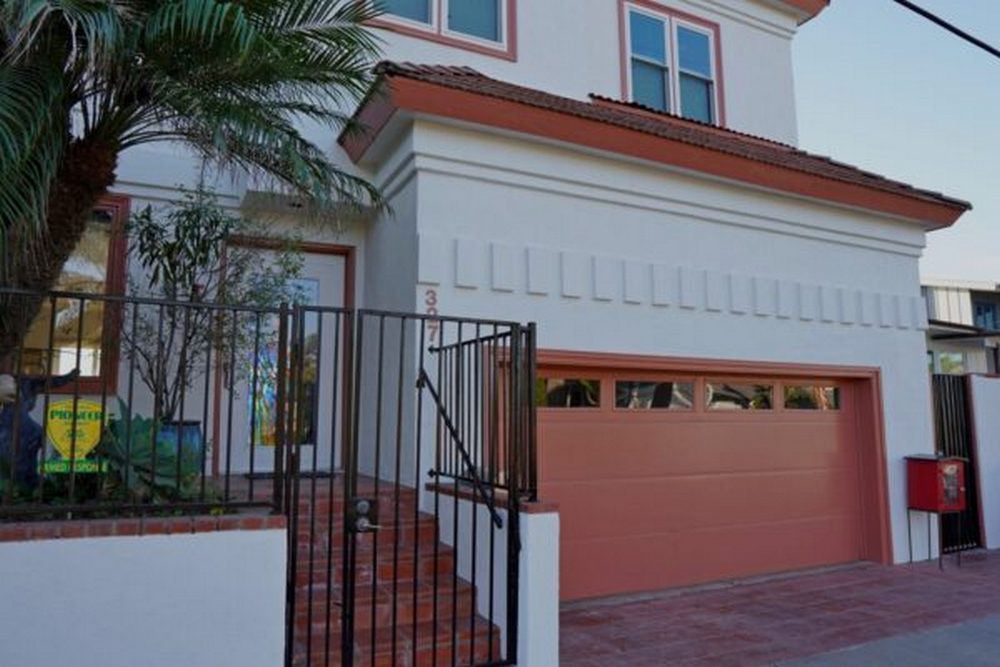
ELoR Energy can help you understand how a heat-reflective coating may fit into your home's exterior improvement plans and what to consider before selecting a coating system.
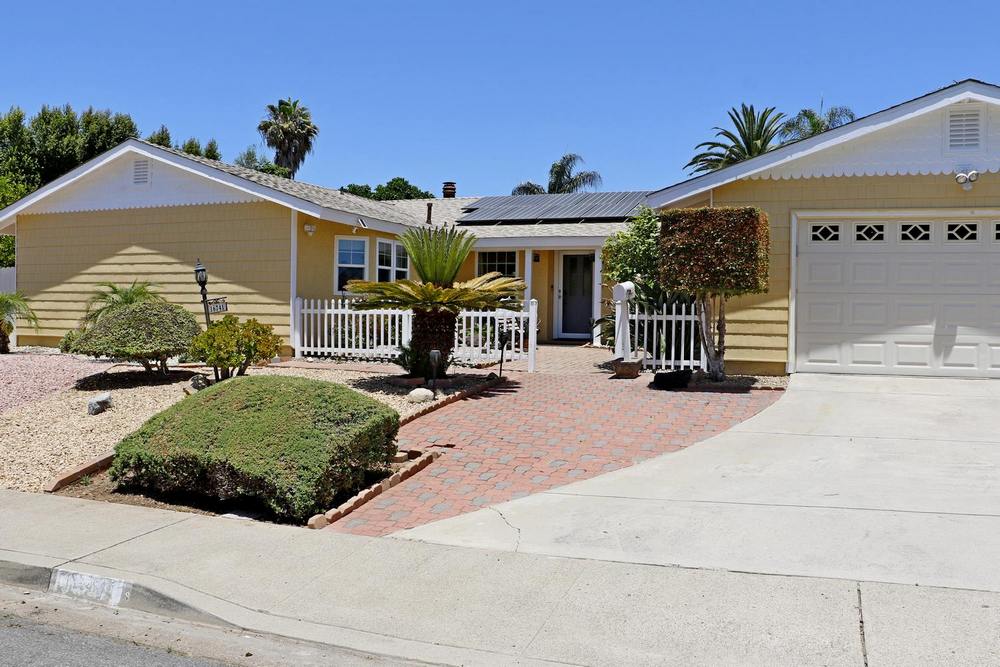
Your exterior coating can give your home a fresh appearance, add another layer of protection, and improve energy performance, but it shouldn't be treated as a solution for every stucco problem.
Invest in Your Home Today for Better Tomorrows
Our Reputation



Company
FAQs
Projects
Blog
Testimonials
office
1932 Kellogg Ave
Carlsbad, CA 92008
get in touch
Office: (858) 330-1736
Fax: (858) 218-0974
Toll Free: 1-844-ELOR-NRG
Promotional Disclaimer: Offers and promotions cannot be combined with other discounts, offers, or promotions. Limit one promotional offer per qualifying project. Promotions must be applied before the contract is signed and cannot be added, exchanged, or applied retroactively after a contract has been signed. Additional terms and conditions may apply.
© - 2026 • Elor Energy, Inc. • All Rights Reserved •
