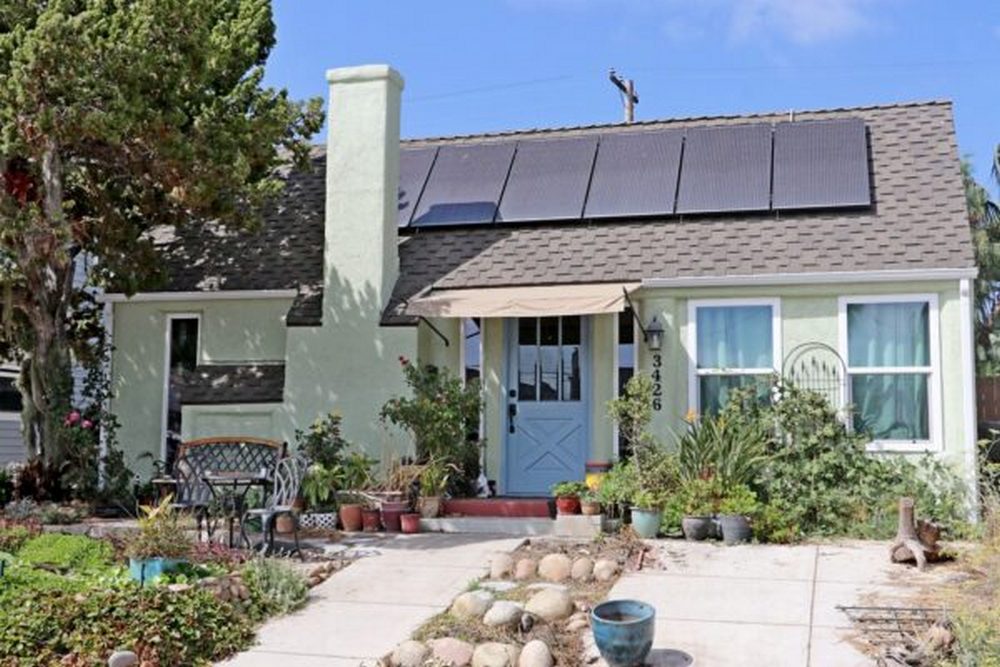
Installing solar panels is a long-term investment designed to provide energy savings and improved efficiency for decades. Before moving forward with a solar installation, it is important to evaluate the condition and age of your roof. Most solar panel systems are expected to remain in place for 25 years or more, so placing them on an aging roof may create unnecessary complications in the future. If your roof is already nearing the end of its expected lifespan, replacing it before installing solar panels can help you avoid the expense and inconvenience of later removing and reinstalling the system. Many roofing materials have different life expectancies, and factors such as weather exposure, maintenance history, and overall wear can affect their condition. By assessing your roof before beginning a solar project, you can ensure that both systems work together efficiently for many years. Taking this step early in the planning process helps maximize the value of your investment while preventing future disruptions that could increase costs and delay energy savings.
Visible Roof Damage Should Never Be Ignored
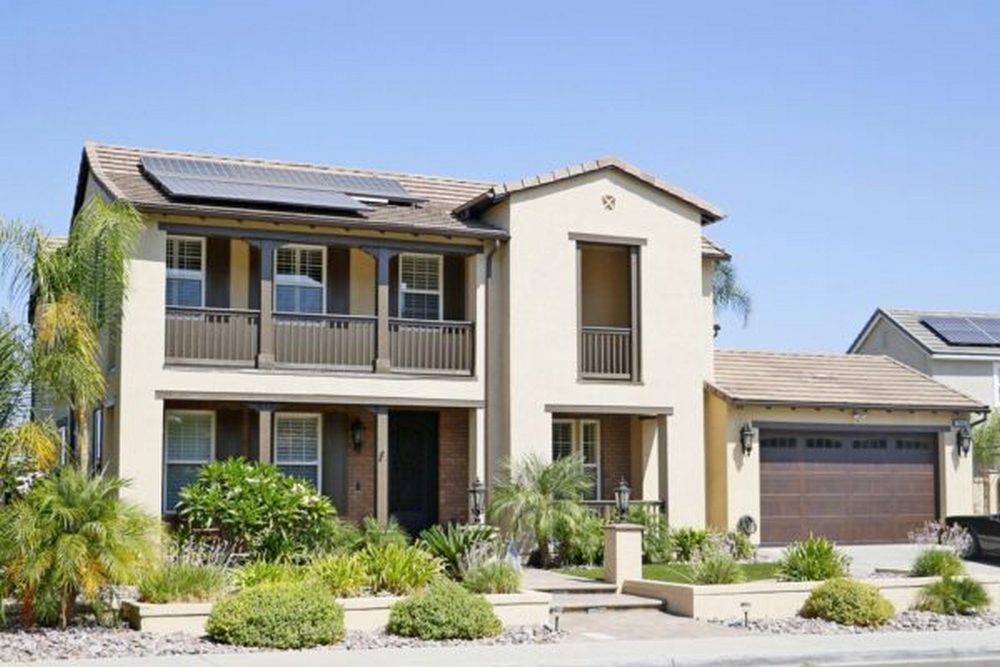
Even if your roof is not particularly old, visible signs of deterioration may indicate it should be replaced before installing solar panels. Missing shingles, curling edges, cracked materials, sagging sections, water stains, and recurring leaks are all indicators that your roofing system may need significant attention. Solar panels are designed to protect portions of your roof from direct sunlight and weather exposure, but they cannot correct existing structural or roofing problems. Installing panels over damaged areas may make future repairs more difficult and costly, as portions of the solar system may need to be temporarily removed to access the roof. Addressing these issues beforehand allows you to start with a solid foundation that can support the additional weight and long-term presence of a solar energy system. A thorough roof inspection can help identify concerns that may not be immediately visible from the ground. Correcting roofing issues before installation streamlines the process and helps ensure the long-term performance of both your roof and your solar investment.
Replacing Your Roof First Can Save Time and Money
Many homeowners focus primarily on the benefits of solar energy and overlook the financial advantages of coordinating roofing and solar upgrades simultaneously. If your roof will need replacement in the next several years, completing the replacement before installing solar can prevent substantial future expenses. Removing solar panels to replace a roof typically involves additional labor, permitting, and reinstallation costs that could have been avoided through proper planning. Combining these projects allows you to start with a new roofing system that supports solar panels throughout their expected lifespan. This approach can also simplify project management by reducing the need for future scheduling, contractor coordination, and interruptions to your home’s energy production. Investing in a roof replacement before installing solar often streamlines the process and provides greater peace of mind. Instead of worrying about roofing issues shortly after your solar project is completed, you can focus on enjoying the benefits of renewable energy and improved home efficiency for years to come.
A New Roof Can Improve Overall Energy Performance
Roof replacement is not only about addressing wear and tear; it can also contribute to your home’s overall energy efficiency. Modern roofing materials are designed to help manage heat transfer and improve indoor comfort, particularly during warm California summers. When paired with a solar energy system, an upgraded roof can become part of a comprehensive strategy to reduce energy consumption and support long-term savings. Improved roofing materials can help maintain more consistent indoor temperatures, reducing strain on your cooling system and complementing the energy your solar panels produce. This combination allows multiple components of your home to work together toward greater efficiency. In many cases, homeowners discover that addressing roofing needs before installing solar panels creates a stronger foundation for future energy improvements. Whether your goal is lower utility bills, increased property value, or enhanced comfort, replacing an aging roof before adding solar panels can strengthen the overall performance of your home improvement investment.
Work With ELoR Energy to Prepare Your Home for Solar Success
Determining whether your roof should be replaced before installing solar panels requires careful evaluation of its condition, age, and ability to support a long-term energy system. Every home is different, and the best approach depends on your specific circumstances and future goals. By addressing roofing concerns before proceeding with solar installation, you can avoid unnecessary costs, improve project efficiency, and build a stronger foundation for renewable energy production. A well-planned solar project begins with ensuring that your roof is ready to support the system for decades to come. When both components are designed to work together, you can enjoy greater confidence in your investment and maximize the benefits of your home energy upgrades. Contact ELoR Energy today at (858) 683-1181 or complete our online form to schedule a consultation and learn whether replacing your roof before installing solar panels can help improve energy efficiency, protect your investment, and support long-term savings for your home.
continue reading
Related Posts
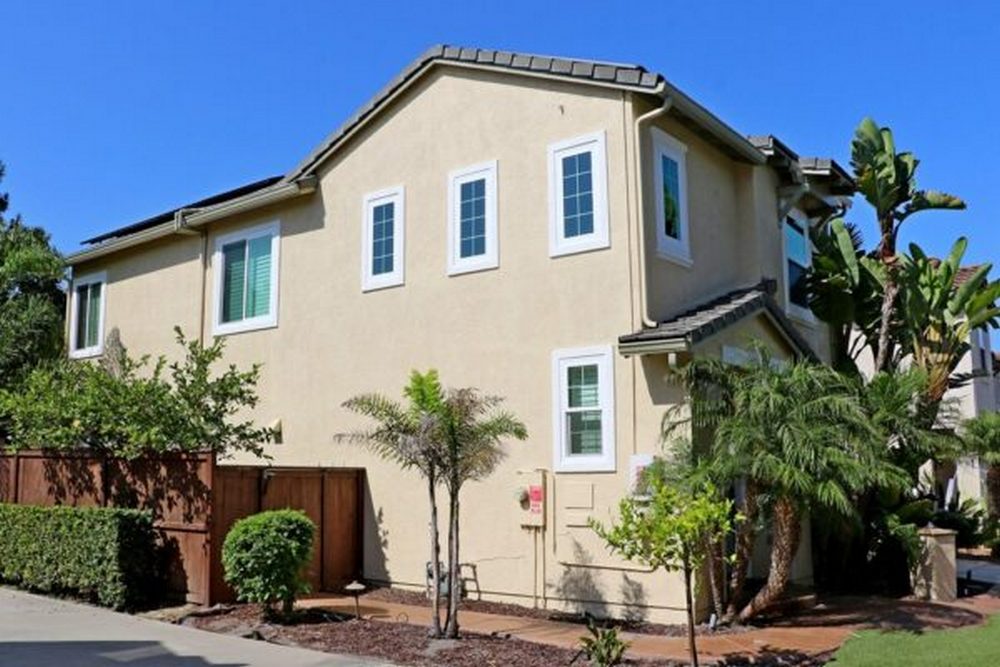
Stucco is a popular exterior finish for San Diego homes, but years of sun exposure, moisture, and normal building movement can affect its condition.
By discussing these concerns early, you can better understand the work involved and plan for an exterior finish that starts with a properly prepared surface.
When you consider replacing the windows in your San Diego home, it is easy to focus on the frame color, glass style, and overall appearance.