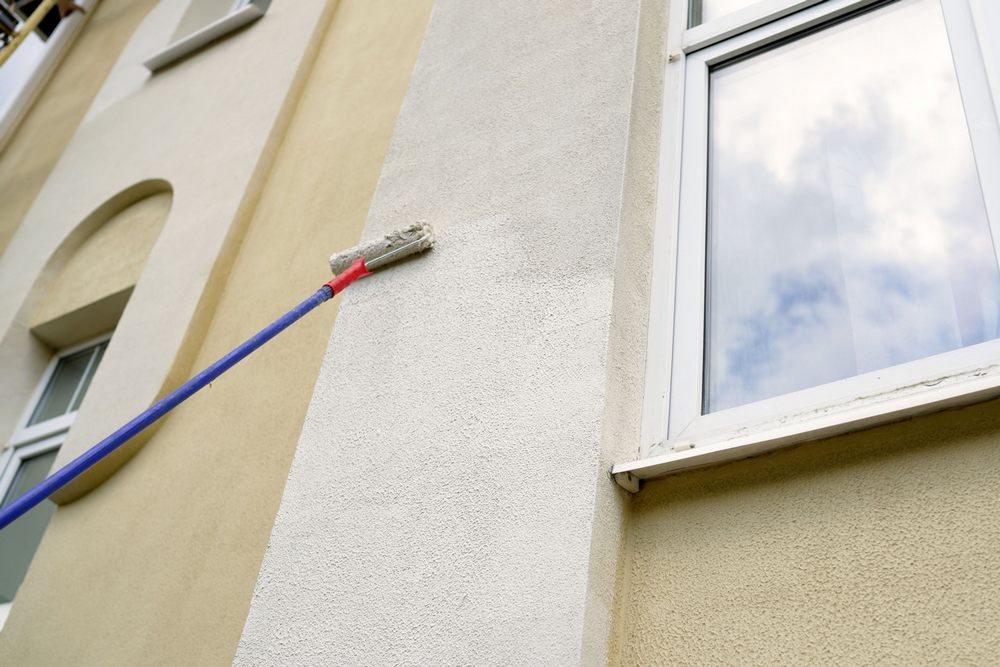
Choosing the right time to apply a heat-reflective exterior coating is crucial to its performance and lifespan. These coatings are designed to reduce surface temperatures, improve indoor comfort, and protect exterior walls and roofs from weather stress. Applying them before the rainy season requires planning, as moisture, humidity, and temperature all affect how well the coating bonds and cures.
Understanding Weather Conditions for Application
Dry weather is the most critical factor when scheduling a heat-reflective exterior coating. Coatings need sufficient time to adhere properly, and even light rain can interrupt the curing process. Ideally, the application should be planned during a stretch of clear days with low humidity and moderate temperatures. Checking short‑term weather forecasts helps ensure that the surface remains dry before, during, and after application.
Best Time Frame Before the Rainy Season
The most suitable time to apply heat reflective exterior coatings is several weeks before the expected start of the rainy season. Late spring or early summer often offers stable weather conditions, allowing the coating to cure fully before exposure to frequent rainfall. This timing helps prevent peeling, blistering, or uneven coverage that can occur if moisture seeps in too soon.
Surface Preparation and Drying Time
Proper surface preparation is just as necessary as timing. Exterior walls or roofs must be clean, dry, and free from dirt, mold, or loose paint. After washing or repairs, surfaces should be allowed to dry completely, which may take one to two days depending on weather conditions. Applying the coating too close to the rainy season without adequate drying time can reduce its effectiveness.
Applying a heat reflective exterior coating before the rainy season is a smart way to improve energy efficiency and protect building surfaces. Planning the application during dry, predictable weather and allowing enough time for curing ensures long‑lasting results. With the right timing and preparation, property owners can maximize the benefits of reflective coatings and avoid weather‑related application issues.
Plan, Prep, and Apply with ELoR Energy
Applying a heat-reflective exterior coating should be scheduled a few weeks before the rainy season, during a period of consistent dry weather and mild temperatures, to ensure proper adhesion and complete curing. Just as critical is surface readiness—walls or roofs need to be clean, completely dry, and free of loose or flaking material to reduce the risk of peeling or bubbling once humidity and rainfall increase. ELoR Energy can guide you on the best application window, inspect your exterior surfaces, and handle the coating process so your building is prepared before the rains arrive. Contact us today at (858) 683-1181 or complete our online form to schedule your consultation.
continue reading
Related Posts
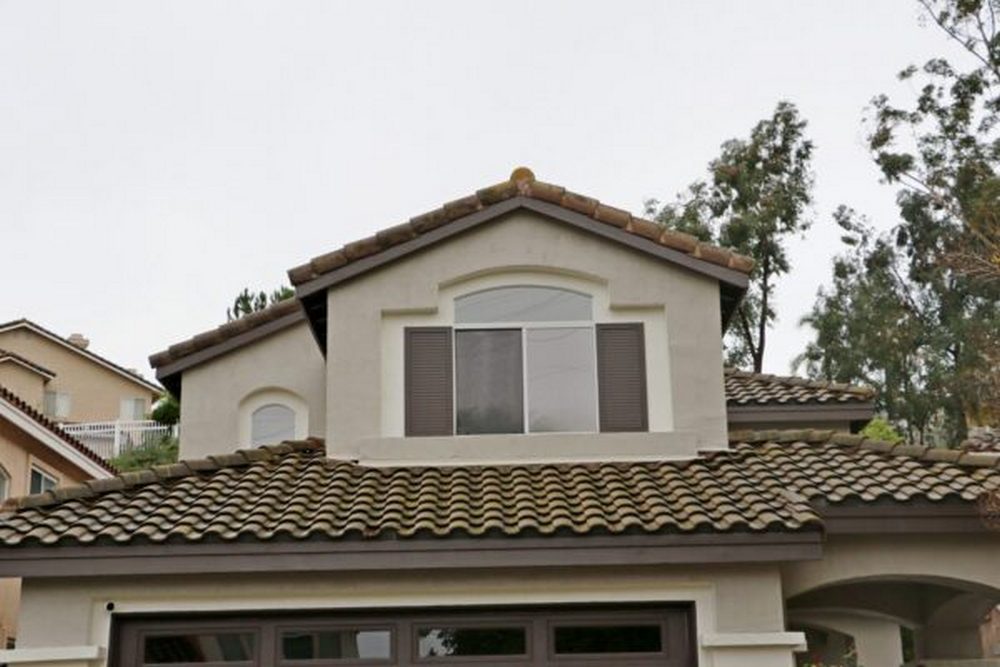
Paying attention to these early warning signs can help you determine when it may be time to upgrade your roof and insulation so your home can operate more efficiently and reduce unnecessary energy loss.
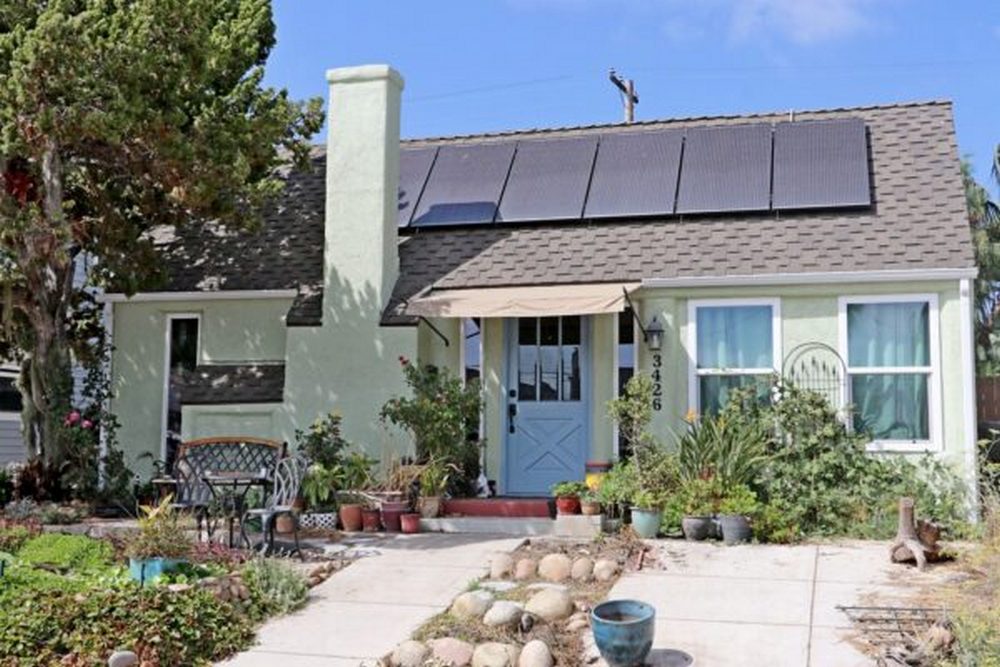
With the right system design, your property becomes more energy-efficient while harnessing one of the most abundant resources available—sunlight.

If your windows are outdated, poorly sealed, or made with older materials, they can allow indoor air to escape and outdoor temperatures to enter.