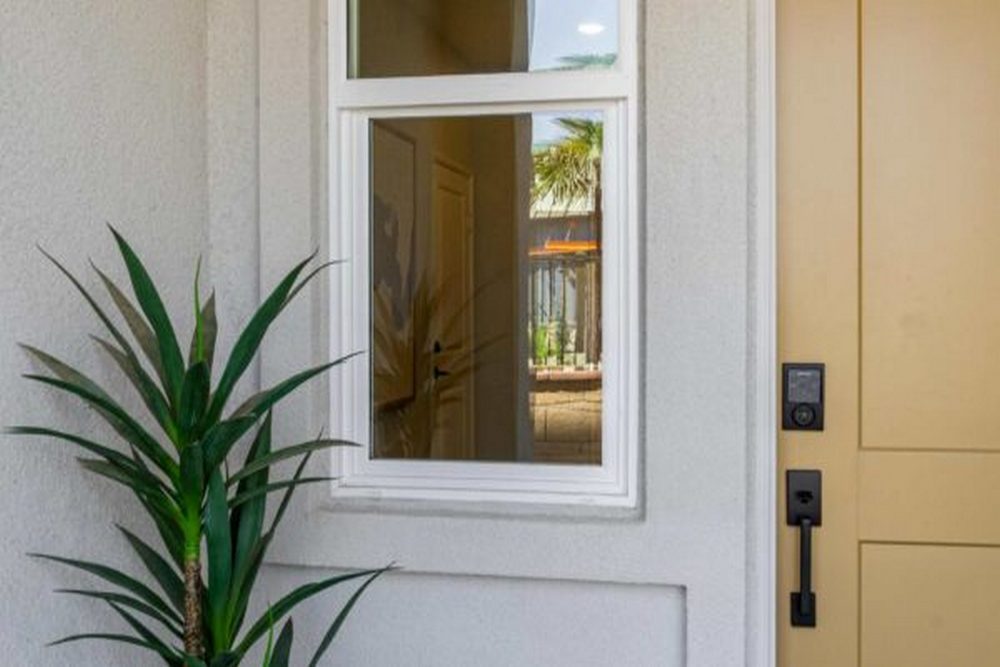
California summers often bring extended periods of warm weather that can make it difficult to maintain a comfortable indoor environment. When your home has older or inefficient windows, unwanted heat can enter through the glass, frames, and small gaps around the window structure. As outdoor temperatures rise, your air conditioning system must work harder to compensate for the increased heat transfer, leading to higher energy consumption and utility bills. You may notice that certain rooms become warmer than others during the afternoon or that your cooling system seems to run continuously throughout the day. These are often signs that your windows are letting in too much solar heat into your home. Energy-efficient windows are specifically designed to reduce heat transfer and help maintain a more stable indoor temperature. By limiting the amount of outdoor heat entering your living spaces, these windows can reduce the workload on your cooling equipment and create a more comfortable environment throughout the summer.
Advanced Window Technology Helps Block Unwanted Heat
Modern energy-efficient windows are built with features that go far beyond standard glass. Many include multiple panes of glass, insulating gas fills between panes, and specialized low-emissivity coatings that help reflect heat away from your home. These technologies work together to reduce the amount of solar heat entering your living space while still allowing natural light to pass through. During California summers, direct sunlight can significantly increase indoor temperatures, especially in rooms with large windows that face south or west. Energy-efficient windows help minimize this effect by reducing solar heat gain without sacrificing visibility or brightness. As a result, your home remains cooler throughout the day, allowing your air conditioning system to operate more efficiently. This improved performance can lead to noticeable reductions in monthly cooling costs and in wear and tear on your HVAC equipment over time. When your windows actively contribute to temperature control, every part of your home’s energy system can perform more effectively.
Consistent Indoor Comfort Improves Everyday Living
One of the most immediate benefits of installing energy-efficient windows is improved indoor comfort. Older windows often create hot spots in certain areas of the home, leading to uneven temperatures from room to room. You may find yourself adjusting the thermostat frequently or avoiding certain spaces during the hottest parts of the day. Energy-efficient windows help create a more balanced indoor climate by reducing temperature fluctuations caused by excessive heat transfer. This means you can enjoy more consistent comfort whether you are relaxing in your living room, working from home, or spending time with family. Reduced heat penetration also helps decrease glare from intense sunlight, making it easier to enjoy natural light without the discomfort that often accompanies it. By improving temperature consistency and reducing unwanted heat gain, energy-efficient windows contribute to a more pleasant living environment while reducing cooling demand throughout the summer months.
Lower Cooling Costs Can Lead to Long-Term Savings
Reducing cooling expenses is one of the primary reasons many homeowners choose to upgrade their windows. Air conditioning often accounts for a significant share of household energy use during California summers, especially when temperatures remain high for extended periods. Energy-efficient windows help reduce the need for constant cooling by creating a stronger barrier between indoor and outdoor conditions. When less heat enters your home, your air conditioning system can cycle less frequently and operate more efficiently. Over time, this reduction in energy consumption can result in meaningful savings on monthly utility bills. In addition to lowering cooling costs, energy-efficient windows may help extend the lifespan of your HVAC equipment by reducing strain on the system during peak summer conditions. The combination of lower energy usage, improved system efficiency, and potential maintenance savings makes window replacement a practical investment for homeowners seeking long-term value. As energy costs continue to rise, efficiency improvements can become even more beneficial over the life of your home.
Energy Efficient Windows Support a Smarter Home Improvement Strategy
Upgrading your windows is more than a cosmetic improvement; it is an investment in your home’s overall energy performance. Energy-efficient windows work alongside other improvements, such as insulation, roofing upgrades, solar energy systems, and high-efficiency HVAC equipment, to create a more comfortable and cost-effective living environment. If your goal is to reduce cooling costs during California summers while improving year-round comfort, replacing outdated windows can be an important step toward achieving that objective. Modern window solutions are available in a variety of styles and designs, allowing you to improve efficiency without compromising your home’s appearance. Whether you are planning a larger energy-efficiency project or looking for a single upgrade that delivers measurable results, energy-efficient windows can provide significant benefits. Contact ELoR Energy today at (858) 683-1181 or complete our online form to schedule a consultation and discover how energy-efficient windows can improve your home’s comfort, reduce cooling costs during California summers, and contribute to long-term energy savings.
continue reading
Related Posts
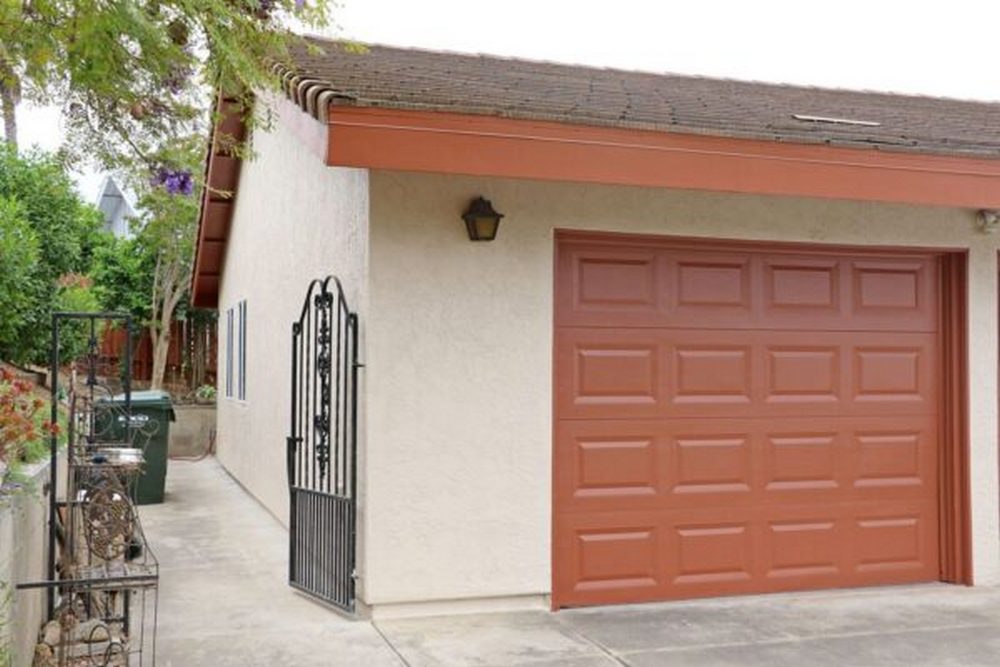
Instead of treating the project as simply adding a new color, you can start by understanding what your exterior actually needs.

If your San Diego home has older stucco, you may notice faded color, visible cracks, stains, or an exterior that simply looks dated.
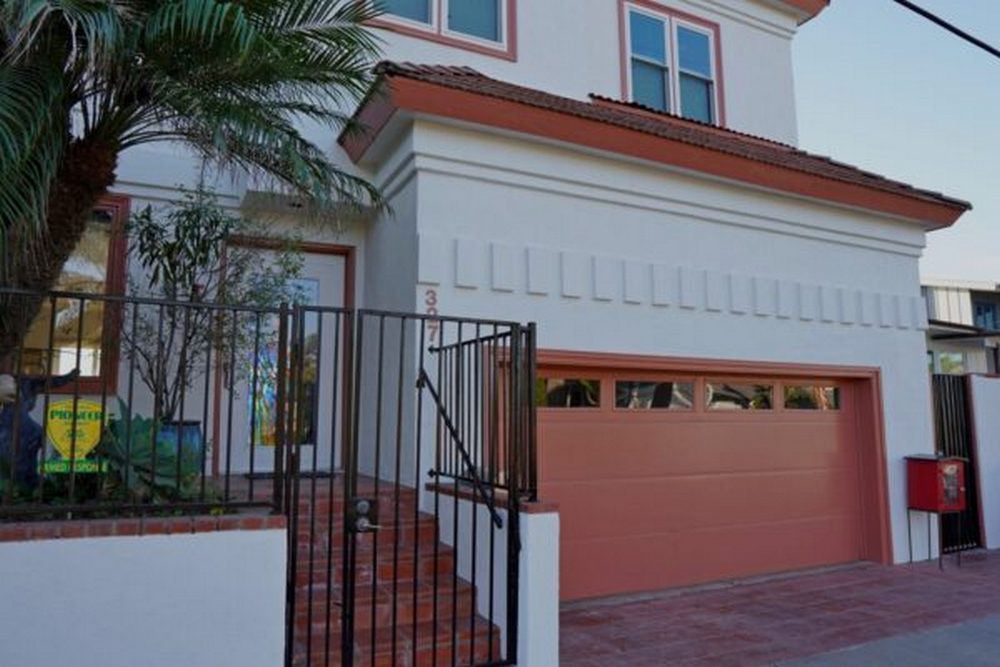
ELoR Energy can help you understand how a heat-reflective coating may fit into your home's exterior improvement plans and what to consider before selecting a coating system.