Your roof and insulation work together to regulate indoor temperatures and help maintain consistent comfort throughout your home. When either of these components begins to wear out or lose effectiveness, you may start to notice changes in your home’s energy performance. One of the most common signs is a steady increase in monthly utility bills, even though your energy habits have not changed. If your heating and cooling systems run longer than usual or struggle to maintain comfortable temperatures, your roof or insulation may be allowing heat to escape during colder months or letting excessive warmth enter during warmer seasons. You might also notice uneven temperatures between rooms, drafty spaces near the ceiling, or areas of your home that are difficult to cool or heat. In some cases, aging roofing materials can develop small gaps or deteriorate, allowing outside air to enter your attic. When insulation becomes compressed, damaged, or outdated, it loses its ability to slow heat transfer effectively. Paying attention to these early warning signs can help you determine when it may be time to upgrade your roof and insulation so your home can operate more efficiently and reduce unnecessary energy loss.
How an Aging Roof Can Affect Your Home’s Energy Performance
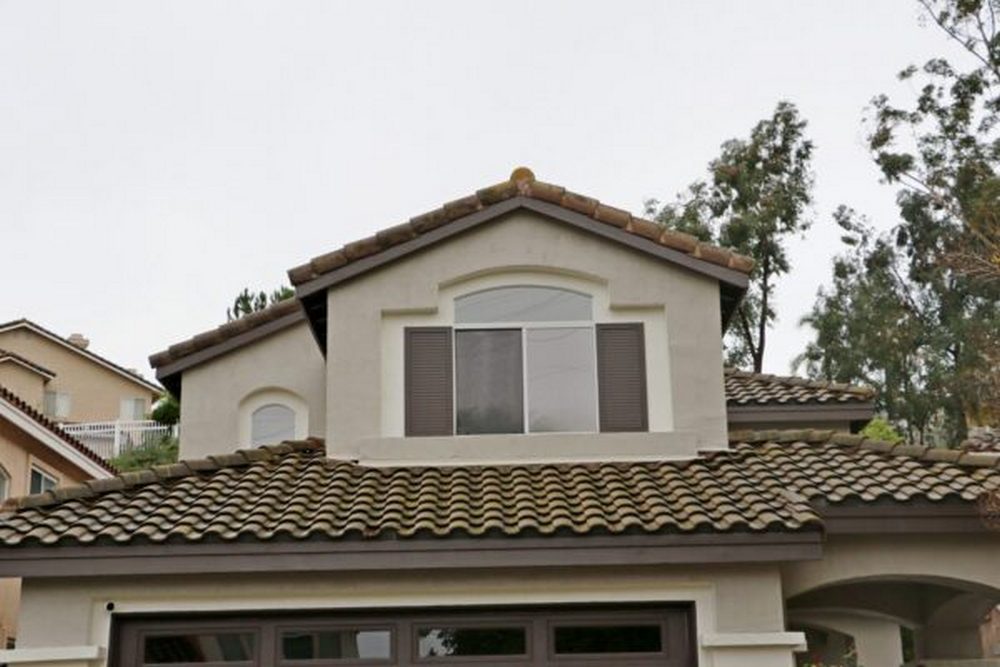
Your roof acts as the primary barrier between your home and the outdoor weather, so its condition plays a major role in energy efficiency. Over time, roofing materials are exposed to sunlight, rain, wind, and temperature changes, which gradually weaken their protective qualities. As shingles or other roofing materials age, they may begin to crack, curl, or shift slightly out of place. Even small changes in the roof’s structure can create openings that allow outside heat or cold air to reach your attic. When warm air enters the attic during the summer, attic temperatures can rise significantly, placing additional strain on your cooling system as it tries to keep your living spaces comfortable. During colder months, heat generated inside your home may escape through the roof if insulation and ventilation are not working properly. Upgrading an older roof with modern materials designed for improved thermal performance can help reduce these temperature fluctuations. New roofing systems often include reflective materials and better ventilation features that help control attic temperatures. By replacing worn roofing materials and ensuring your roof structure is properly sealed, you create a stronger barrier that helps your home maintain comfortable indoor conditions without forcing your HVAC system to work overtime.
Why Proper Insulation Plays a Critical Role in Energy Savings
Insulation is one of the most important elements in controlling how heat moves through your home. It acts as a protective layer that slows heat transfer between the interior of your house and the outdoor environment. When insulation is properly installed and in good condition, it helps keep warm air inside during colder months and prevents excessive heat from entering during the summer. Over time, insulation can shift, compress, or become damaged by moisture or pests. When this happens, its ability to resist heat transfer decreases, allowing temperature changes to affect your indoor environment more easily. If your attic insulation is outdated or insufficient for your home’s size, your heating and cooling systems may need to operate longer and more frequently to maintain comfortable temperatures. Upgrading your insulation helps create a more stable indoor climate by improving the thermal barrier that surrounds your living space. Modern insulation materials are designed to provide higher performance and better coverage, helping you reduce energy consumption while maintaining consistent comfort throughout your home. When paired with a properly maintained roof, upgraded insulation significantly reduces energy use and improves overall household efficiency.
Improve Home Efficiency With Professional Roof and Insulation Solutions
Upgrading your roof and insulation can significantly improve your home’s ability to manage temperature changes while reducing energy consumption throughout the year. When these components work together properly, they help maintain stable indoor conditions, lower heating and cooling demands, and create a more comfortable living space for you and your family. Identifying the right time to make these improvements and selecting the appropriate materials are essential steps toward achieving lasting results. ELoR Energy can help evaluate your current roofing and insulation system, identify areas where energy loss may occur, and recommend solutions to improve your home’s efficiency. With expert guidance and careful installation, your home can benefit from better temperature control and reduced monthly utility costs. Contact us today at (858) 683-1181 or complete our online form to schedule your consultation and learn how upgrading your roof and insulation can help improve your home’s energy efficiency and long-term comfort.
continue reading
Related Posts
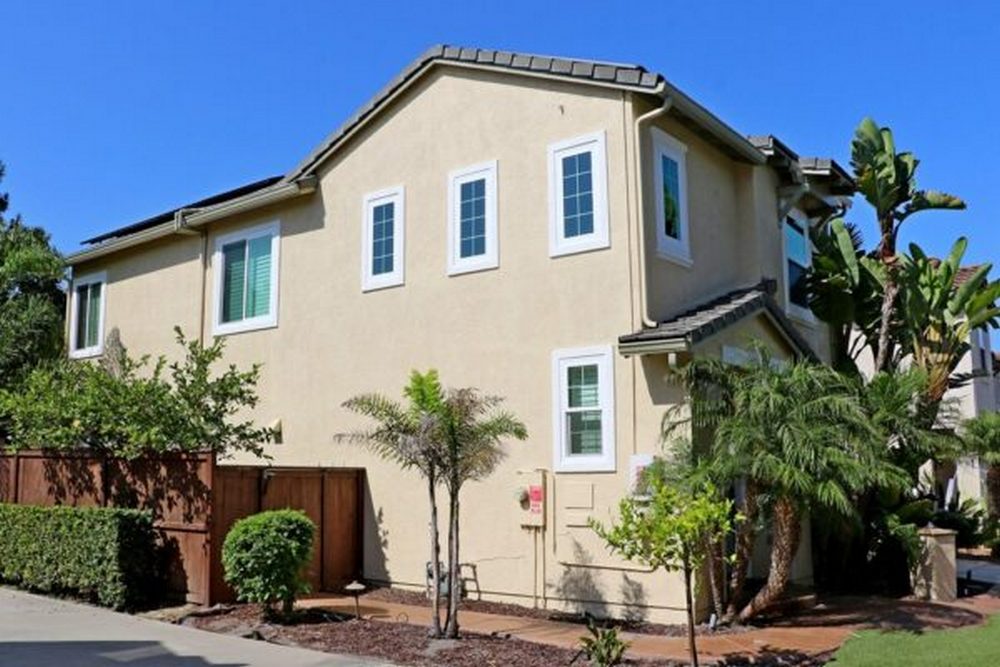
Stucco is a popular exterior finish for San Diego homes, but years of sun exposure, moisture, and normal building movement can affect its condition.
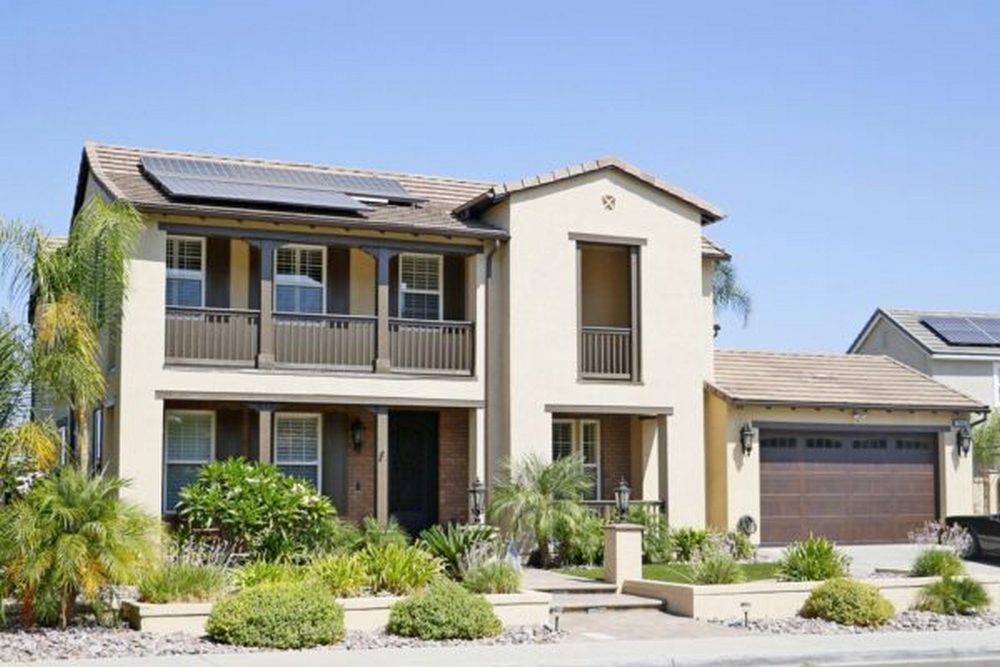
By discussing these concerns early, you can better understand the work involved and plan for an exterior finish that starts with a properly prepared surface.
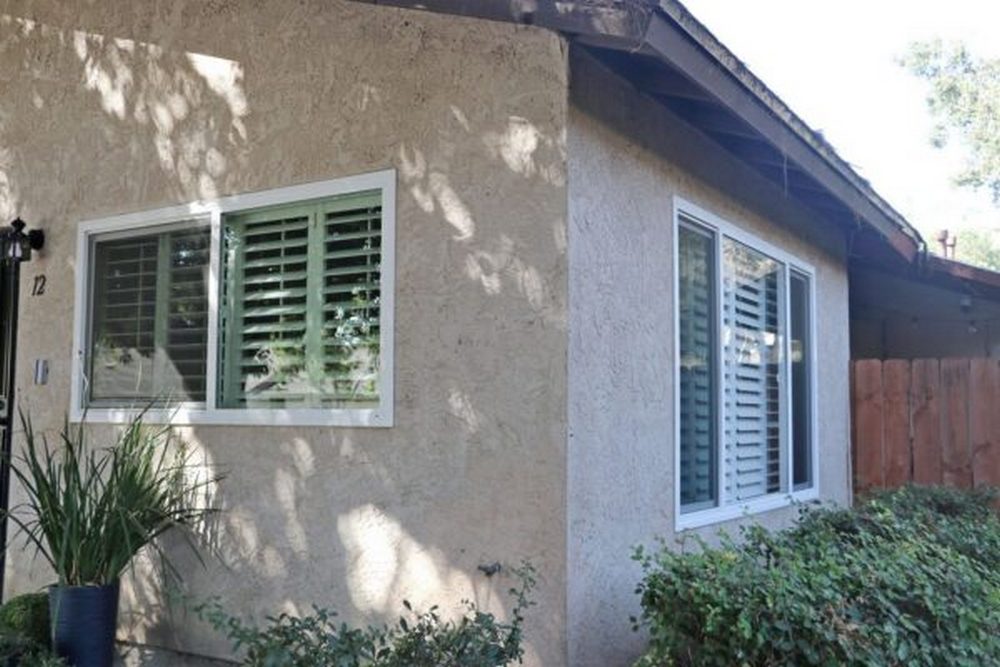
When you consider replacing the windows in your San Diego home, it is easy to focus on the frame color, glass style, and overall appearance.